Feeling Unseen by Your Parents Despite Your Success: Therapy for Latino/a/x Professionals in Boulder and Denver

A client said something to me recently that has stayed with me. She had done everything she was supposed to do.
The degree.
The career.
The financial independence.
The years of hard work.
The sacrifices.
And yet every time she spoke with her parents, the conversation seemed to circle back to the same questions.
"When are you getting married?" "When are you having kids?"
On the surface, these don't sound like harmful questions. For many parents, especially parents who spent much of their lives working, surviving, raising children, and trying to create opportunities they never had, marriage and family represent stability. They represent success. They represent a life well lived. The problem wasn't that her parents were asking.
The problem was what she felt underneath those questions.
She felt unseen. Not unloved. Unseen.
There's a difference.
Because yes, her parents were proud of the degree. They were proud of the accomplishments. But she longed for something deeper. She wanted them to understand what it had cost.
The anxiety. The pressure. The loneliness. The uncertainty.
The years spent wondering if she was making the right choices.
The emotional labor of building a life that nobody in her family had ever built before.
She wanted them to understand that she wasn't just pursuing success for herself.
She was trying to move the entire family story forward. And I think that's the part that often goes unspoken. Many of the Latino professionals I work with carry a tremendous amount of love for their families. The narrative often becomes one of sacrifice.
Your parents sacrificed for you. You sacrifice to make their sacrifices worth it. You work harder. Push further. Achieve more. Not simply because you want a successful life, but because somewhere along the way you started carrying the hope that your success would mean something for all of you. That it would justify what everyone endured to get here.
Then one day you look around and realize something painful. The people you worked so hard for may never fully understand what your journey has been like. Not because they don't care. Not because they don't love you. Because they never had the chance to understand. Many of our parents were busy surviving. They were paying bills. Working long hours. Navigating discrimination. Learning a new language. Raising children. Trying to keep the family afloat. Questions about purpose, fulfillment, identity, burnout, or finding meaningful work often belonged to a different world than the one they inhabited.
They didn't have the luxury of asking themselves who they wanted to become. They were trying to survive long enough to make sure their children could. Understanding this reality can create compassion.
But it can also create grief. The grief comes when you realize understanding why your parents couldn't see you doesn't automatically make the hurt disappear. Part of you still wishes they could. You want them to understand that your hard work was real too. It just looked different. You want them to understand that success didn't come without sacrifice.
You want them to understand that there were costs:
Mental health costs.
Relationship costs.
Emotional costs.
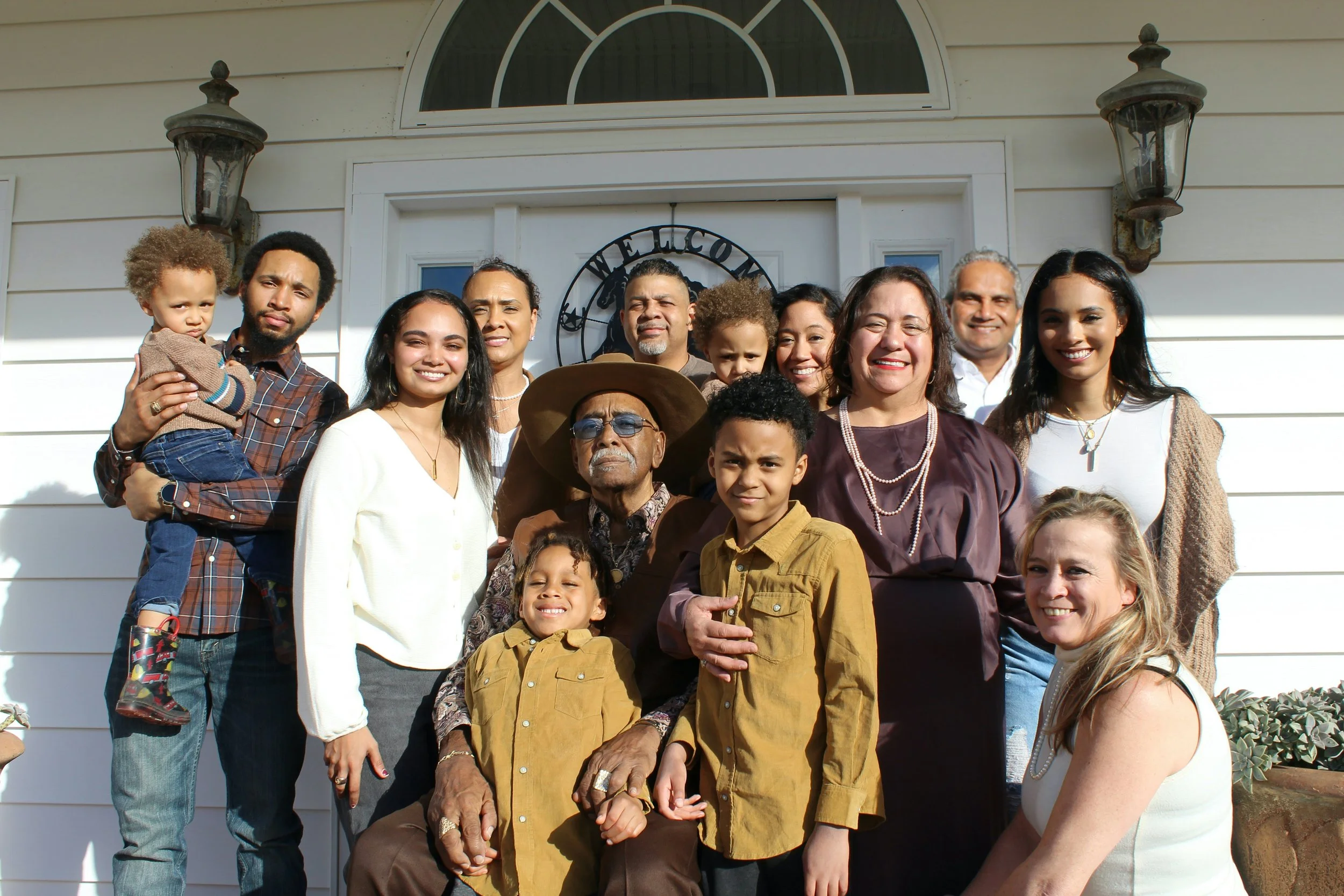
You want them to understand that sometimes being the successful one in the family can feel incredibly lonely.
And perhaps most of all, you want them to see more than one version of you. Not just the future spouse. Not just the future parent. Not just the professional. Not just the responsible one. You want them to see the ambitious parts of you. The uncertain parts. The grieving parts. The curious parts. The parts that are still figuring life out.
You want them to love the whole picture.
Not just the pieces that make sense within their worldview.
What I often see happen next is that people immediately turn toward caring for their parents' pain. They explain it away. They remind themselves how hard their parents had it. They tell themselves their parents did the best they could. And maybe all of that is true.
But I want to offer something that many high-achieving adults rarely give themselves permission to do:
Notice your hurt too.
Notice the sadness.
Notice the longing.
Notice the part of you that wishes things were different.
Notice how quickly you move away from your own pain and toward understanding everyone else's.
Notice how familiar it feels to keep going.
To work harder.
To achieve more.
To prove yourself one more time.
To earn love one more time.
Sometimes the very strengths that helped you succeed are the same strengths that keep old wounds from healing.
The ability to endure.
To push through.
To compartmentalize.
To take care of everyone else.
To keep moving.
Eventually those strengths can become a way of leaving yourself behind.
This is one of the reasons I practice somatic therapy and relational therapy with Latino professionals in Boulder and Denver.
Because healing isn't always about finding a better explanation for why you hurt. Sometimes it's about slowing down long enough to actually feel the hurt. To notice what happens in your body when you talk about your parents. To notice the ache in your chest. The lump in your throat. The sadness that you've spent years outrunning.
Not to fix it.
Not to get rid of it.
Not to prove that you're over it.
Just to make room for it.
You may never get the exact understanding you long for from your parents. That is a painful reality for many adults. But you do not have to spend the rest of your life abandoning yourself in pursuit of it. You deserve to be seen too.Not just for what you've accomplished.
But for who you are.
And that starts with learning how to see yourself with the same depth, compassion, and complexity you've spent so much of your life hoping others would offer you.
I provide in-person somatic and relational therapy in Boulder and Denver for Latino professionals, first-generation professionals, and high-achieving adults navigating identity, family expectations, anxiety, and life transitions.
